March Meeting Postponed!
Due to the memorial service for our fallen police officers, the March 7th meeting has been canceled.
NEW SCHEDULE FOR MARCH MEETING & LECTURE:
March Lecture
Thursday, March 14, 2013
1:00 to 3:00 pm
Scotts Valley Public Library
251 Kings Village Road, Scotts Valley, CA 95066
For more information, please call Jennifer at (831) 419-7244; Email: GenSocBlog@me.com
Remember, Scotts Valley Library has AMPLE & FREE parking!
Snacks and beverages will provided!
Speaker:
Warren C. Pratt, PhD
Lecture Topic:
Taking Down a Brick Wall, One Brick at a Time –
A Case Study

For genealogists, brick walls are difficult problems for which sufficient evidence has not yet been found to reach a conclusion meeting the genealogical proof standard. Many, perhaps most, brick-wall problems can be successfully resolved. However, doing so usually requires a disciplined research process and the use of many sources of information. The conclusion many times comes from the use of correlated indirect evidence; after all, if there were direct records simply establishing the relationships, the problem would be less likely to have been classified as a brick wall.
This presentation focuses on some of the research principles, methodologies, and sourcing that can be applied to resolve brick walls. Illustrative examples are taken from a case study researched and written by the presenter and recently published in the National Genealogical Society Quarterly.
The problem solved in this case was the identification of the father of a child born in 1809 to an unwed mother. The father’s surname, his given name, and his location (Kentucky or Virginia) were not known at the outset of the search – even the child’s mother was in question. His mother left no records for the year the child was born and there only two records of his father’s entire life – the father’s birth and death dates in a family Bible and one tax record. The solution required genetic testing and back-tracking a young single woman across four counties in two states in the late seventeen hundreds and early eighteen hundreds.
Biography
Warren C. Pratt was born in southeastern Kentucky and spent his early years among relatives and friends in a small town of 800 residents. He holds B.S. and M.S. degrees from the University of Kentucky and a Ph.D. from the University of Illinois, all in electrical engineering. Dr. Pratt spent his career of about 30 years in the computer industry working in Colorado, Toronto, and California.
Dr. Pratt had a passing interest in genealogy while working; however, it was upon his 2006 retirement that it became a priority. The quest to spend a “little time” putting together a family history for his children developed into a thirst to resolve questions that others had abandoned as unsolvable. Warren has been very fortunate to receive excellent mentoring along the way and he enjoys attempting to repay that debt when he has the opportunity to help others.
What is the Roots Tech Genealogy Conference?
What’s Roots Tech Like? Check out this video! (Be sure to scroll down once you click on this link in order to see the video!)
RootsTech is an opportunity unlike any other to discover the latest family history tools and techniques, connect with experts to help you in your research, and be inspired in the pursuit of your ancestors. It is a conference with a unique emphasis on helping individuals learn and use the latest technology to get started or accelerate their efforts to find, organize, preserve, and share their family’s connections and history. Attendees will learn key skills from hands-on workshops and interactive presentations at the beginner, intermediate, and advanced level.
Who Should Attend?
The 3rd annual RootsTech conference has something for everyone, whether you are an avid genealogist, just beginning, or simply want to discover the latest technologies and solutions to better connect with your family. You will learn things like how and where to start with your family history and how to use the latest technology to solve real research problems. With world-class content from speakers all over the country, an exciting exhibitor hall, and great keynote speakers, RootsTech is being re-tooled for young and old alike, regardless of expertise. Come join the fun!
What You’ll Experience
If You Are New to Family History
Attend a new, full track of over 30 Getting Started classes and labs to:
- Learn the basics of starting your family history
- Discover 10 activities you can do to get started
- Get hands-on experience with family history tools
- Additional classes will be offered for LDS Church members where they can learn the importance of family history, the basics to build their family tree and all the great resources to begin
If You Want To Preserve and Share Family Stories
Discover the power of stories and storytelling with classes presented by Story@Home:
- Preserve living memories
- Research family stories and traditions
- Unite families through shared stories
If You Are Experienced in Genealogy
Attend hands-on workshops and interactive classes to:
- Expand your skills and knowledge to accelerate your research
- Help influence the future of genealogy
- Learn and share new ways to adapt technologies to genealogy
- Help leading-edge technology providers better understand your needs
- Participate in panels, product demos and many networking opportunities
If You Are a Developer
Attend the Developer Day on Friday wth sessions specifically designed to help you:
- Explore the latest concepts and techniques to influence your app building, including:
- Crowdsourcing
- Genealogy Workflow
- Javascript apps
- FamilySearch Platform and API’s
- Discover available resources and software development trends from industry leaders and pioneers
- Understand and discuss difficult problems in a rapidly-growing market segment
- Access sponsors, vendors, and exhibitors that provide tools and services to enable innovations
RootsTech 2012 by the Numbers
- Over 4,000 registered attendees from 46 U.S. states, six Canadian provinces and 23 additional countries
- Over 50,000 views of live streaming sessions
- More than 90 key bloggers attended from Australia, Canada, Israel, the U.K. and the U.S.
- 20 official sponsors: Archives.com, Microsoft, Ancestry.com, brightsolid, NGS, Dell, NEHGS, FGS, APG, BYU, Avanade, Lenovo, Lexmark, vmware, IIMI, Savvis, Sprint, HP, and ViaWest
- 93% of attendees reported they were very satisfied or satisfied with the value of the information received at RootsTech, and 2013 promises to be even better!
Click Here to See the Schedule
For more information including classes and pricing: Roots Tech 2013 Homepage: Click Here
Please join GSSCC member Mike Epperson at the Scotts Valley branch of the Santa Cruz Public Libraries where he will teach you how to easily access Ancestry.com’s Library Edition (ALE). This will be a hands-on workshop so, if you prefer, please bring your laptop if you have one. Laptops, however, are not necessary to enroll in the course.
What is ALE?
Ancestry’s Library Edition (ALE) is a genealogical database designed to help you find your ancestors. The database was recently purchased by the Santa Cruz Libraries for public use – for beginning to advanced genealogists and family historians. You don’t have to be an expert researcher to find your ancestors. With just a little instruction, this FREE database will help you be off and running!
The next workshop is on Saturday, March 30, 2013.
The workshop will be from 2:00-3:30 p.m.
Look up census records, immigration records, etc. There are hundreds of types of records to help you build your family tree.
Again, this is a hands-on workshop. Bring your laptop if you have one.
The ALE database is now available at all ten of the Santa Cruz Public Libraries. It’s not accessible from one’s own home, but visit any branch and see what family history you can uncover!
Hope to see you there!
Address:
Santa Cruz Public Libraries: SCOTTS VALLEY BRANCH
251 Kings Village Rd, Scotts Valley, CA 95066
To register, please call the Scotts Valley Branch library at (831) 427-7712
Class size limit of 12.
This is a very popular workshop so please make your reservations early!
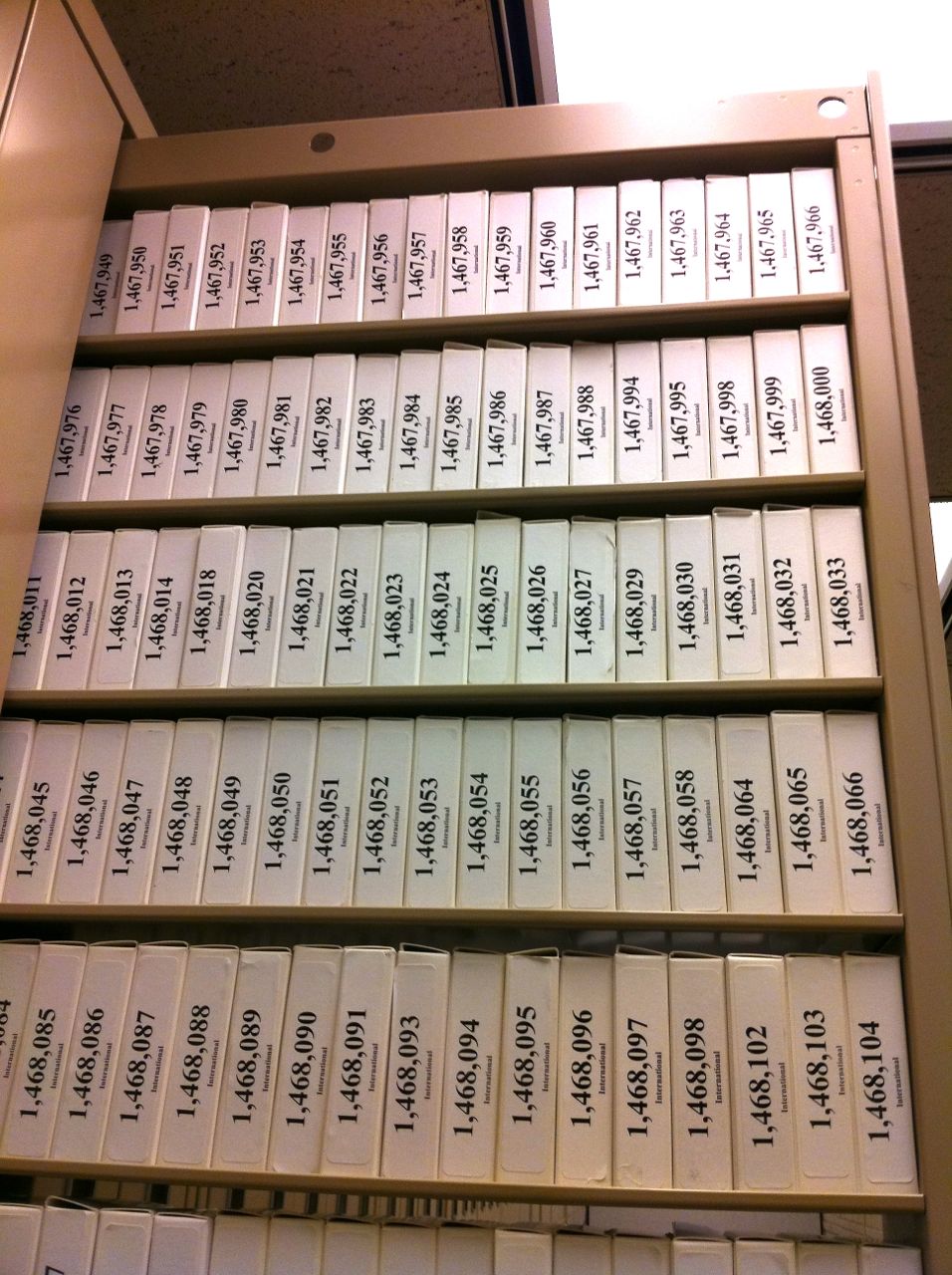
The GSSCC is planning a repository tour of the Sutro Library!
On April 17, 2013, a comfortable bus (which includes a bathroom!) will pick up interested members and take them in style to the Sutro Library in San Francisco.
Testimonial:
No doubt about it, this is a genealogist paradise. Now, I love to research on the Internet, and can spend hours doing so, but sometimes things have to be done the old-fashioned way. The Sutro has been called the best genealogy library in the Western United States. The intensive collection covers all the U.S. and several other countries. The Sutro is the ideal place to do traditional research; there are rows and rows of books, microfiche readers, maps, and a card catalog to find everything.
It is a wonderful experience to open a fragile 19th century book and see some tidbit of information about a long-departed ancestor.-Terry T., Hercules, CA
Tentative Schedule:
- 7:30 AM pick up in Aptos
- 8:00 AM pick up in Santa Cruz
- 10:00 AM arrival at Sutro (approximate)
- 4:00 PM departure from the library
- 5:30 PM arrival in Santa Cruz
- 6:00 PM arrival in Aptos
More information about the resources at Sutro Library
Highlights of the collection include:
- California federal census population schedules for 1850-1930.
- Using federal census resources in the California History Room
- How to use the 1930 federal census in the California History Room
- 1852 state census, including indexes prepared by the Daughters of the American Revolution.
- Using the 1852 California state census in the California History Room
- Great registers of voters, arranged by county, for 1866-1898 and 1900-1944.
- A statewide index to the 1890 great register helps to fill the gap created by the loss of the 1890 census.
- City and county directories from as early as 1850.
- Telephone directories starting in 1899.
- Historical newspapers from around the state.
- Publications of county genealogical and historical societies.
- Compilations by California chapters of the Daughters of the American Revolution.
- Specialized indexes and files created by the California State Library.
- A California death index covering July 1, 1905-1995 and a California marriage index covering 1949-1986.
The California State Library DOES NOT have birth, death, or marriage certificates. To obtain these certificates, contact the California Office of Vital Records or the appropriate county recorder’s office.
Unfortunately, the California History Section lacks the staff resources to provide family research services. Anyone is welcome to visit and use the resources. As an alternative, we can provide a list of private researchers who are familiar with our collection.
Note: Sutro Library materials can be accessed through the California State Library Main Catalog, and Sutro staff is available to assist in-house customers with the resources. Sutro items may be borrowed by requesting an interlibrary loan through your local public library.
More details to come!
With Special Pre-Conference Events on May 7, 2013.

The NGS 2013 Family History Conference will be held at The LVH-Las Vegas Hotel and Casino in Las Vegas, Nevada. Mark your calendars for 8–11 May 2013.
The hotel and conference center are under one roof.
The LVH is adjacent to the Las Vegas Convention Center, ten minutes from McCarran International Airport, and convenient to I-15 and I-515. Self-parking is free. Valet parking is free but tip is expected. The Las Vegas Monorail begins at The LVH and carries passengers to six major Strip resorts.
Click Here to Learn All About This Fantastic Opportunity!

(Photos: Jennifer Cobas, gensocblog@me.com)
June Lecture
Thursday, June 6, 2013
1:00 p.m. – 3:00 p.m.
Santa Cruz Public Library, Central Location
(2nd floor meeting room)
224 Church Street, Santa Cruz, CA 95060
For more information, please call (831) 427-7707, ext. 5794; Email: IVCLB@comcast.net
Speaker:
Pamela Erickson
Lecture Topic:
Planning a Successful Research Trip

When you discover that your family moved to a location you have never seen, do you want to visit the area and learn what resources are available? Or, have you wanted to go to Salt Lake City and use the vast collection available at the Family History Library? Remember, too, that the tips we cover also apply to visiting your local library.
With the cost of airline tickets or gas for our vehicles, we need to make sure we’re prepared before setting off. We’ll spend time together to determine what you should do before you leave, what you should pack, and what arrangements you should make. Each visit will require slightly different preparation, so we will go over what’s necessary and what’s optional according to where you go, how long you will be gone, and what places you plan to visit.
Carolyn Barkely said in an article last February,
“First, remember that research is a cycle of work with several important steps: planning, collection, organization, analysis, reporting, and then planning once again. Each research trip builds upon the work accomplished in previous trips and sets the stage for work to be accomplished in future ones.” Bring your ideas to share, too. Let’s work together to plan a successful research trip.
Pamela Erickson teaches genealogy and creative/memoir writing to adults in San Jose, California and surrounding cities and has done so for over 20 years. She has helped her students research their families in the United States and around the world and leads a group of interested people to Salt Lake City, Utah every spring for a week of genealogy research at the LDS Family History Library.
Her personal family research started as a child and has taken her to the Southern states, Canada, and across the pond to Great Britain, Sweden, France, and the Czech Republic. Pamela has researched and written over 250 articles for newspapers, magazines, and educational books and has been employed as a journalist, technical writer, and editor. She has taught at genealogy conferences around California and at writing conferences in California and Florida.